Guide to Getting a Bachelors Abroad
Navigating the path to securing a bachelor's degree abroad requires thorough evaluation of numerous aspects. Applicants need to consider universities and destinations based on academic standards, financial aid opportunities, and cultural fit. Gaining clarity on visa regulations is critical for a seamless transition. Yet, the experience extends far beyond practical matters. Acclimating to new settings and preserving ties to one's homeland serve as key elements in influencing the student experience. What obstacles and possibilities lie ahead for students embarking on this journey?
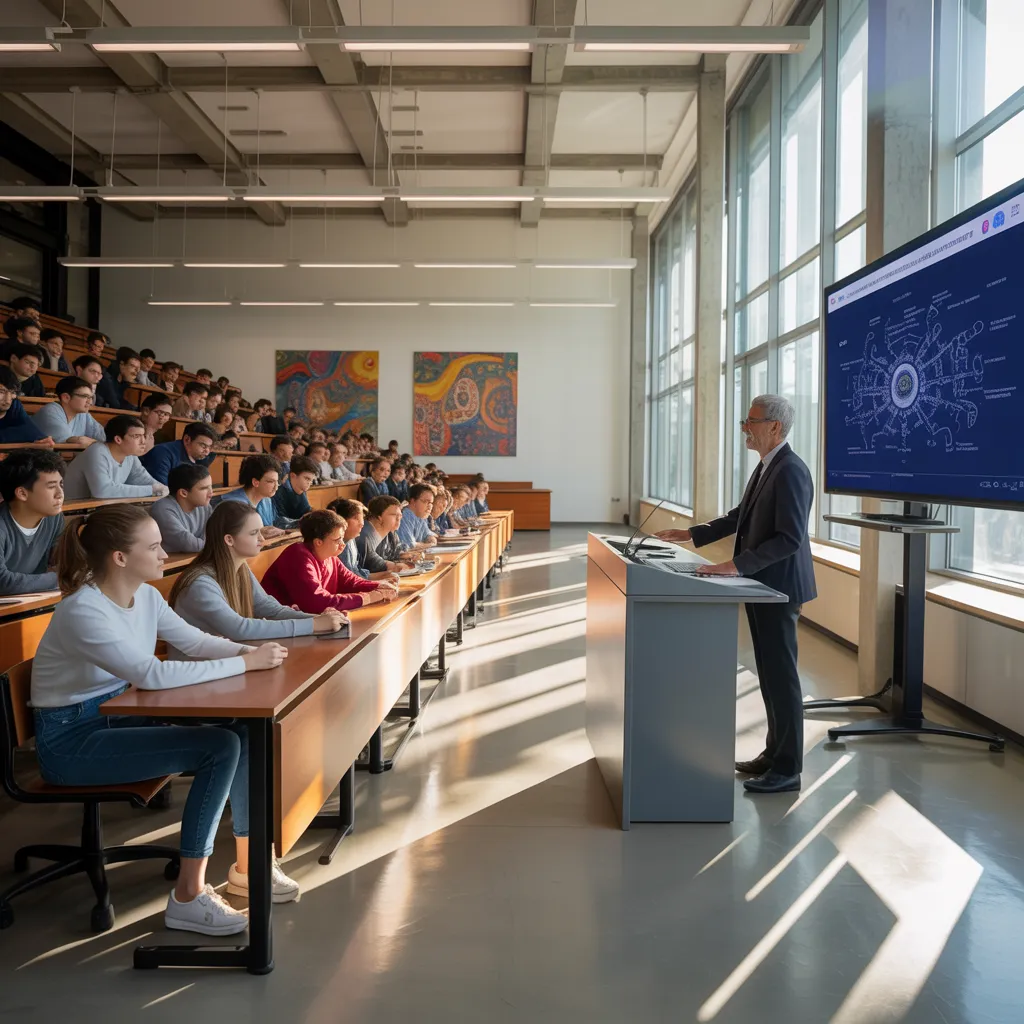
What Important Factors Should You Think About When Picking a Country?
When selecting a country for a bachelor's program abroad, what essential considerations should guide the decision? To begin, the standard of education is of utmost importance; prospective students should research institutional rankings, professor credentials, and the coursework's alignment to their field of study. Furthermore, language serves as a critical consideration; students need to assess whether they are confident enough to study in the regional language or if programs in English are available.
Cultural alignment is another crucial element; gaining insight into the culture, customs, and lifestyle can profoundly impact the overall experience. Furthermore, safety and political stability are critical factors to consider; students ought to research the nation's safety record and prevailing political environment. Lastly, closeness to home and available travel options can influence personal preferences and general satisfaction. By weighing these factors carefully, students can make informed decisions that align with their academic and personal aspirations.
How to Access Funding and Scholarships for Your Study Abroad Journey
Acquiring funding and scholarships is vital for students pursuing an undergraduate degree overseas. Various types of scholarships exist, catering to different needs and qualifications, and understanding these options can greatly enhance financial accessibility. Additionally, utilizing strong application approaches can increase the likelihood of success in the highly competitive scholarship environment.
Types Of Scholarships Available
While obtaining a undergraduate degree abroad is often a life-changing journey, knowing the scholarship options at your disposal is crucial for handling expenses. Numerous scholarships are designed to meet varying needs and conditions. Merit-based scholarships reward academic excellence, while financially focused scholarships support students facing economic difficulties. Certain universities provide dedicated scholarships for international students to promote inclusivity. Furthermore, state-sponsored scholarships like Fulbright or Chevening offer substantial assistance for overseas education. Non-governmental organizations and foundations additionally provide scholarships targeting particular disciplines or geographic areas. In addition, certain nations provide scholarships to draw international talent, increasing the accessibility of higher education. Researching these alternatives can considerably lighten the economic challenges associated with studying overseas.
Tips To Help You Succeed With Your Application
Mastering the scholarship application process can significantly improve a student's chances of securing funding for overseas education. To strengthen their candidacy, students should begin by researching various scholarships that correspond to their scholarly ambitions and personal histories. Crafting a compelling personal statement is vital; it should precisely express goals and ambitions. In addition, acquiring compelling endorsements from mentors or professors can provide valuable support. Students must also pay close attention to application timelines and criteria, guaranteeing all components are filed punctually. Moreover, showcasing relevant experiences, such as volunteering or internships, can make an applicant stand out. Finally, keeping a systematic method allows for diligent monitoring of submissions and responses, thereby improving the likelihood of securing funding.
Navigating Visa Requirements for Your Selected Country
Grasping visa criteria is essential for students who plan to pursue international education. Numerous countries maintain distinct types of student visas, all of which come with particular eligibility criteria and application steps. Navigating these stipulations can significantly affect a student's ability to pursue their education internationally.
Kinds Of Student Visas
Navigating the landscape of student visas is essential for anyone considering a undergraduate degree abroad. Different countries offer various types of student visas, all featuring unique criteria and benefits. For instance, the F-1 visa in the United States allows students to pursue full-time studies, while the Tier 4 visa in the United Kingdom fulfills a comparable role. Some countries, like Canada and Australia, have established visas that enable students to take on part-time work alongside their education. Moreover, certain nations may have specific requirements based on the duration of the course or the accreditation status of the institution. Understanding these differences is critical for aspiring international learners to guarantee compliance and select the right visa for their course of study.
Application Process Overview
Navigating the application process for a student visa involves careful attention to the access this information specific requirements of the chosen country. All nations have distinct regulations, documentation, and timelines that must be complied with. Typically, applicants need to gather essential documents such as enrollment confirmation, financial statements, and health insurance. Additionally, some countries may require a language proficiency test or a medical examination.
It is important for prospective students to start the application process early, as visa processing times can fluctuate considerably. Getting acquainted with the embassy or consulate's requirements is also essential, as they provide detailed instructions and any updates on requirements. Ultimately, diligent preparation paves the way for a smoother journey toward pursuing studies abroad.
How to Pick a University That Supports Your Goals?
How does one go about choosing a university that suits their educational and career objectives? Initially, students ought to determine their precise ambitions, encompassing their chosen areas of study and future career plans. Investigating institutions that offer robust programs in the relevant disciplines is essential. They can utilize online resources, academic rankings, and alumni networks to assess the quality of education offered.
Additionally, factors such as available extracurricular activities, location, and campus culture must be evaluated. A positive atmosphere can significantly improve the general student experience. Moreover, potential enrollees should examine the university's connections to industries relevant to their fields, as networking opportunities and internships can play a pivotal role in long-term professional advancement.
Ultimately, evaluating economic aspects, including tuition fees and living expenses, is vital. By evaluating these aspects, individuals can make informed decisions that correspond with their ambitions, securing a meaningful and accomplished study experience in a foreign country.
Embracing Cultural Diversity in Your New Environment
While adjusting to a new culture can be daunting, welcoming the contrasts can lead to enriching encounters. People studying in foreign countries often encounter distinctive traditions, linguistic differences, and social norms that may feel challenging at the outset. To handle these cultural changes, it is important to engage with new encounters with an willingness to adapt and a eagerness to understand. Connecting with local residents, joining local festivities, and forming bonds with residents can encourage broader comprehension and admiration of the surrounding culture.
Additionally, keeping a careful balance between preserving one's own cultural identity and accommodating the new environment is crucial. Curiosity and open communication can help close divides and reduce feelings of alienation. As individuals encounter the unfamiliar, they often acquire resilience and adaptability, qualities that prove invaluable both in personal and professional spheres. Ultimately, these transformative experiences can enrich one's education and broaden perspectives, making the pursuit of international education remarkably life-changing.
What Should You Expect While Studying Abroad?
Pursuing studies overseas offers a distinctive combination of excitement and uncertainty, as learners often find themselves in unfamiliar educational and cultural environments. Students might experience different instructional approaches, which might span cooperative team projects to independent research projects. Students should be prepared for differing requirements related to engagement and submission timelines.
From a social standpoint, the journey can be just as life-changing. New friendships may form, but navigating diverse cultural norms and communication styles can create certain difficulties. In the beginning, students might struggle with loneliness or homesickness, but these sentiments frequently subside as they become part of their new surroundings.
Furthermore, handling everyday life, including understanding public transit systems and regional traditions, can be overwhelming yet beneficial. Students will likely develop resourcefulness and mental fortitude as they acclimate to their new environment. Ultimately, this experience cultivates a broader worldview and personal growth, making every obstacle worth overcoming.
How to Stay Connected With Home During Your Studies
Keeping in contact with loved ones during foreign studies is essential for emotional well-being and support. Students can utilize technology to bridge the distance, utilizing video communication, instant messaging, and social networking platforms to exchange experiences and keep family and friends informed. Arranging frequent communication sessions can build a soothing pattern, allowing for smoother adjustment to the demands of studying in a foreign location.
Additionally, students are encouraged to joining local expat groups or organizations, which can extend a support network and mutual experiences. Mailing postcards or care packages can also fortify bonds and create a concrete connection to their homeland. Immersing themselves in cultural activities that bring them closer to their origins, such as preparing cultural dishes or honoring traditions, promotes a sense of community. By actively maintaining these connections, students can improve their overall study abroad journey, guaranteeing they feel supported and less alone during their educational journey.
Questions We Often Receive
Which Countries Are Ideal for International Students?
Many nations are celebrated for accommodating international students, including the United States, Canada, the United Kingdom, Australia, and Germany. These nations offer diverse programs, cultural experiences, and opportunities for academic and personal growth.
Where Can I Find Student Housing Abroad?
To secure overseas student housing, prospective tenants should look into campus housing opportunities, web-based rental portals, and community rental listings. Engaging with fellow students and gathering referrals can likewise deliver valuable insights into appropriate housing options.
Can I Be Employed While Studying in a Foreign Country?
Certainly, many international students are permitted to work while pursuing their studies overseas, subject to their visa conditions. Part-time work opportunities can offer valuable experience and support general living costs, but balancing study and work responsibilities plays a key role in academic success.
What Health Insurance Is Required for Studying Abroad?
Students studying abroad typically require thorough medical insurance that protects against hospitalization, medical emergencies, and repatriation. It's crucial to review the requirements of the host country and verify the policy includes coverage for routine care and pre-existing conditions.
How Can I Improve My Language Skills Before Leaving?
To enhance language abilities prior to departure, one should commit to regular practice through language exchange programs, apps, online courses, and hands-on experiences with native speakers. Reading books and watching films in the target language also helps greatly.